

It's Our 34th Annual Gala Auction
Meet Me at the Rue du Bac
An evening of dinner, live and silent auctions, and community at the Marriott Downtown, all to support the students of Holy Rosary Academy.
Formed in Faith. Educated for Truth.
Holy Rosary Academy partners with parents to form students in the Catholic faith, reason, and virtue through a joyful classical education from Pre-K through 12th grade.
FORMING THE WHOLE CHILD
Education is more than academics
Parents today are looking for more than academic achievement. They want a school that aligns with their values, develops strong character, limits unnecessary screen time, and prepares their child for a meaningful future.
Holy Rosary Academy was founded on the principle of educating for faith, reason, and virtue.
TODAY’S PARENTS ARE LOOKING FOR
- Strong academics
- Faith-centered learning
- A safe, supportive environment
- Character formation
- Reduced technology
- Meaningful relationships
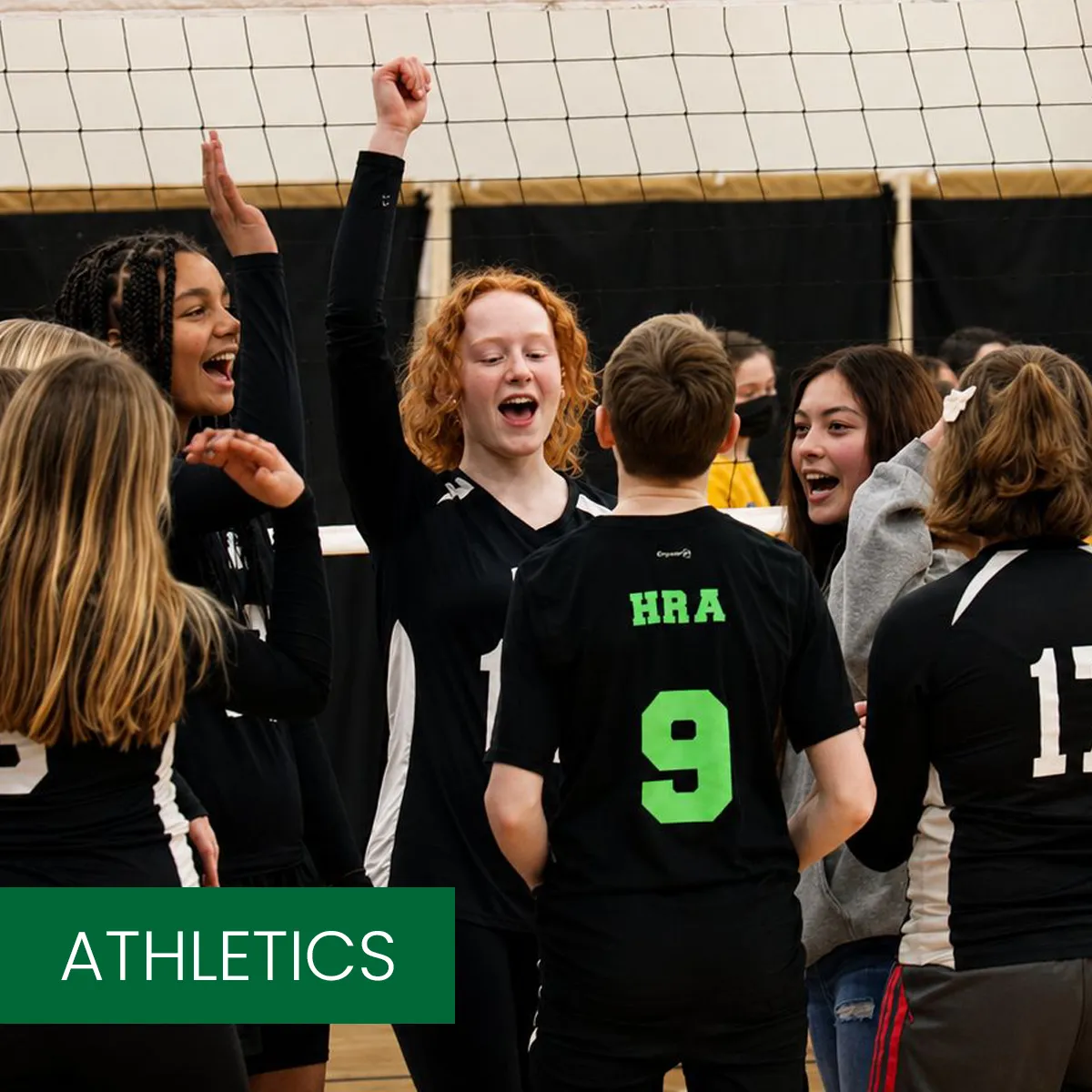
- ASAA athletics
AN EDUCATION WITH A FOUNDATION
Why Families Choose Holy Rosary
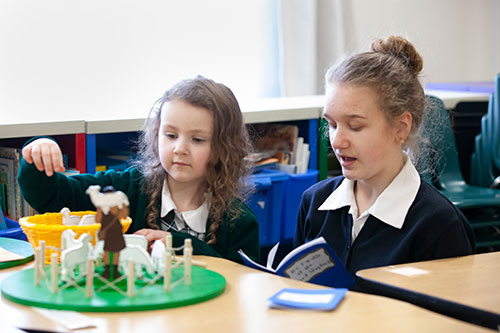
FAITH
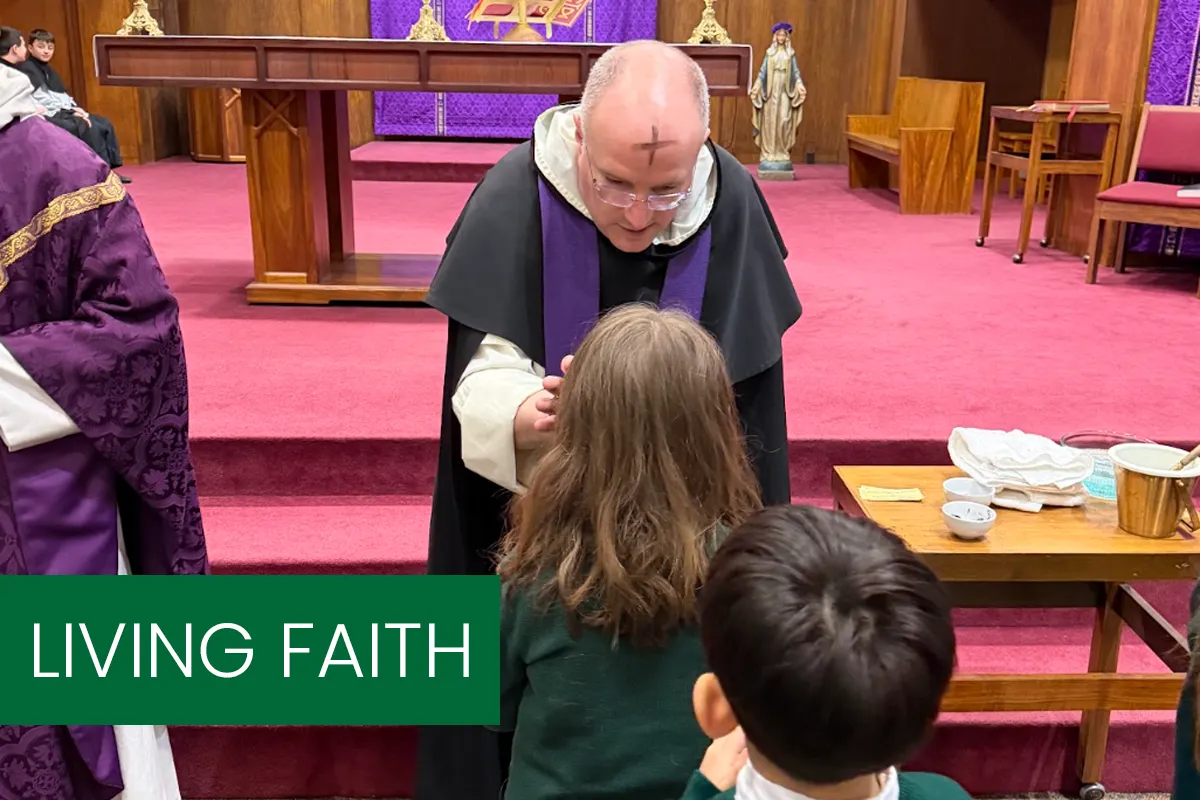
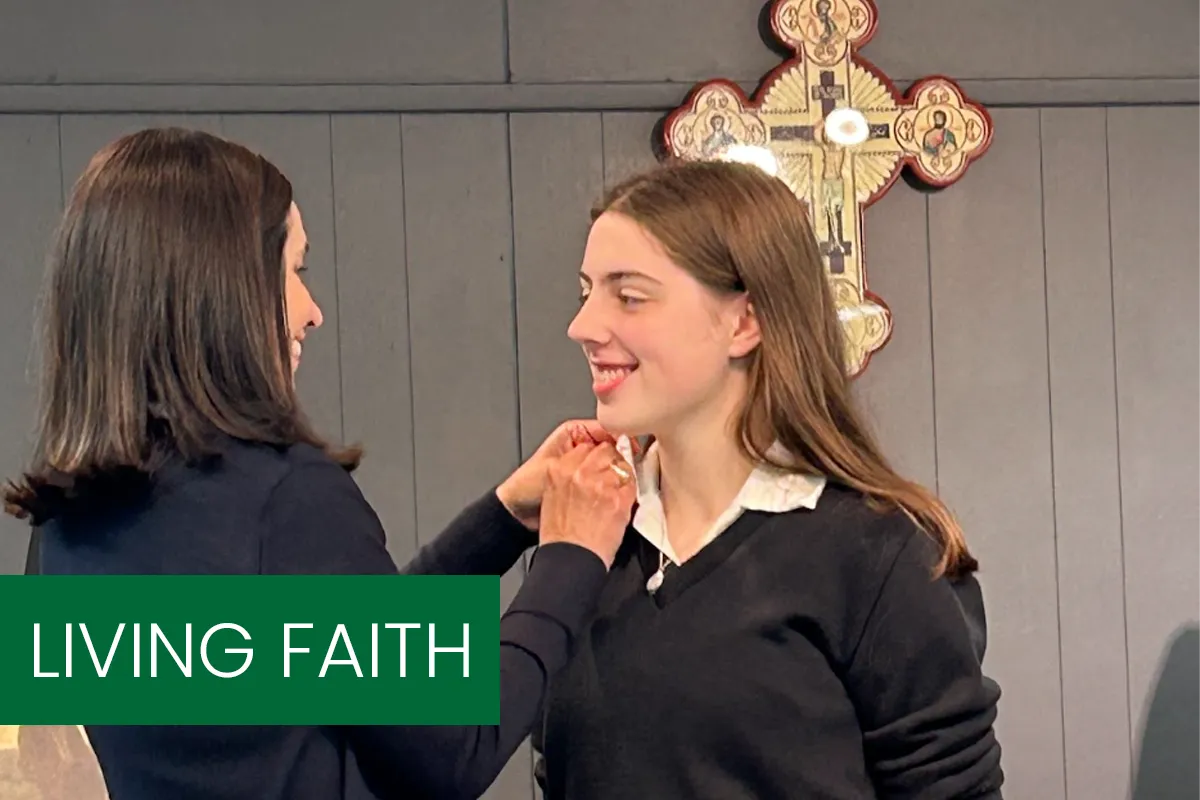
Catholic faith woven naturally throughout every aspect of learning and school life.

CLASSICAL EDUCATION
Teaching students how to think, reason, and communicate clearly.
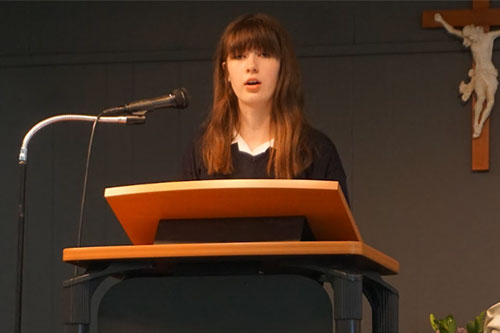
CHARACTER FORMATION
Developing virtue, discipline, leadership, and responsibility.
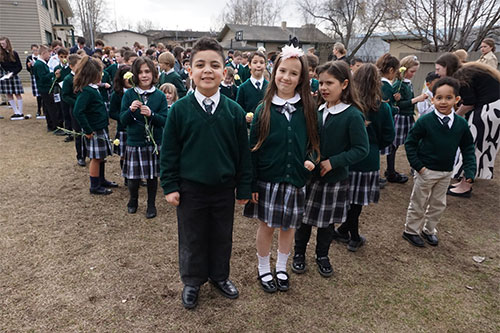
COMMUNITY
A welcoming environment where students and families are known by name.
TRUSTED BY FAMILIES SINCE 1987
Nearly 40 Years of Forming Students in Faith, Reason, and Virtue
- Founded in 1987
- ICLE Member
- Newman Guide Recommended
- #1 Ranked Anchorage Private School
- NAPCIS Accredited
- Nearly 40 Years of Proven Outcomes
A Seamless Education Journey
One enrollment carries a child from a first love of learning to the threshold of college and a life of purpose.

AN EDUCATION WITH A FOUNDATION
Six Distinctions that Set Us Apart

Classical Trivium Model
Grammar, logic, and rhetoric guide students from knowledge to reasoning to articulate expression.

Direct Instruction
Teacher-led, discussion-rich classrooms where students engage deeply rather than work in isolation.
15:1 Student-Teacher Ratio
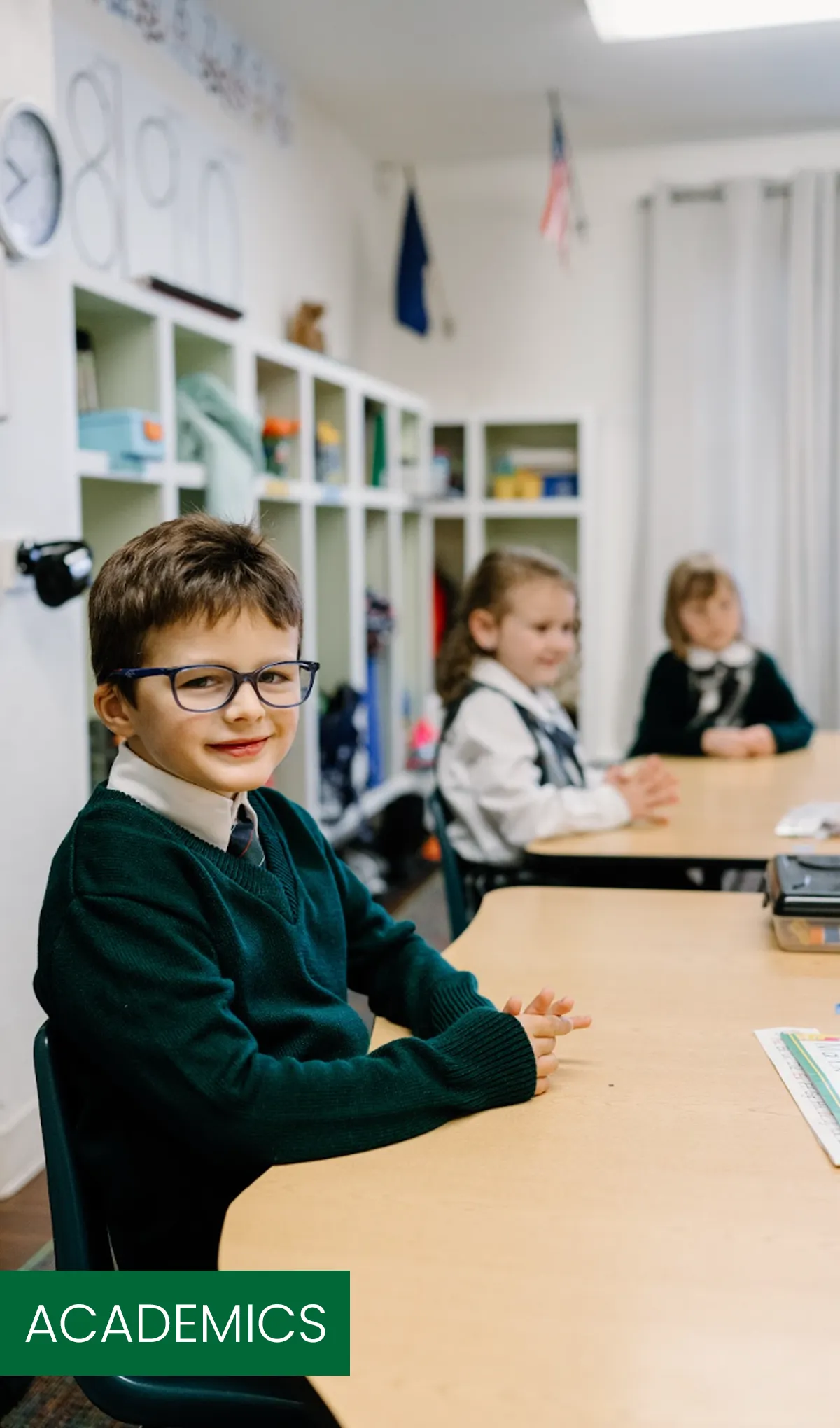
Small classes that let every student be known, challenged, and encouraged by name.
A Full Course of Study
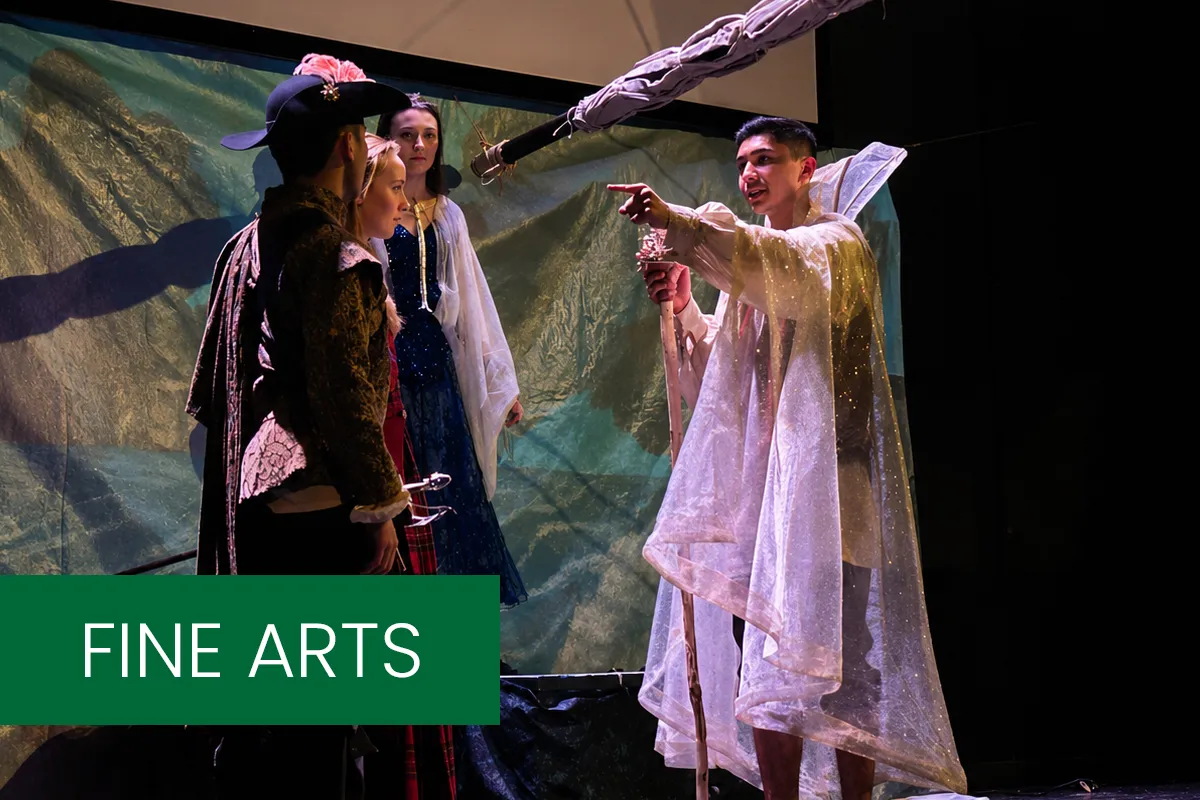
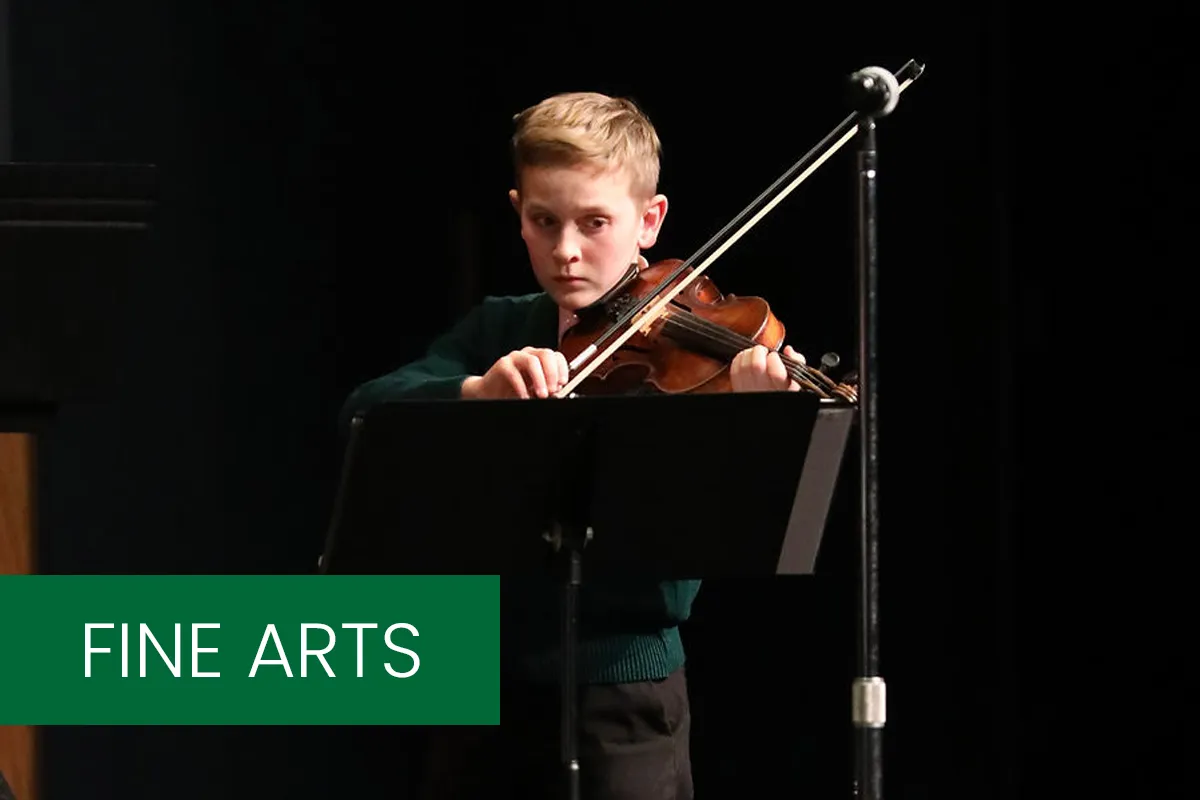
Great Books, Theology, science, math, Latin, and the arts, built for the future.
Seminar & Public Speaking Culture
Students learn to read closely, discuss honestly, and speak with clarity and conviction.
College Credit Opportunities
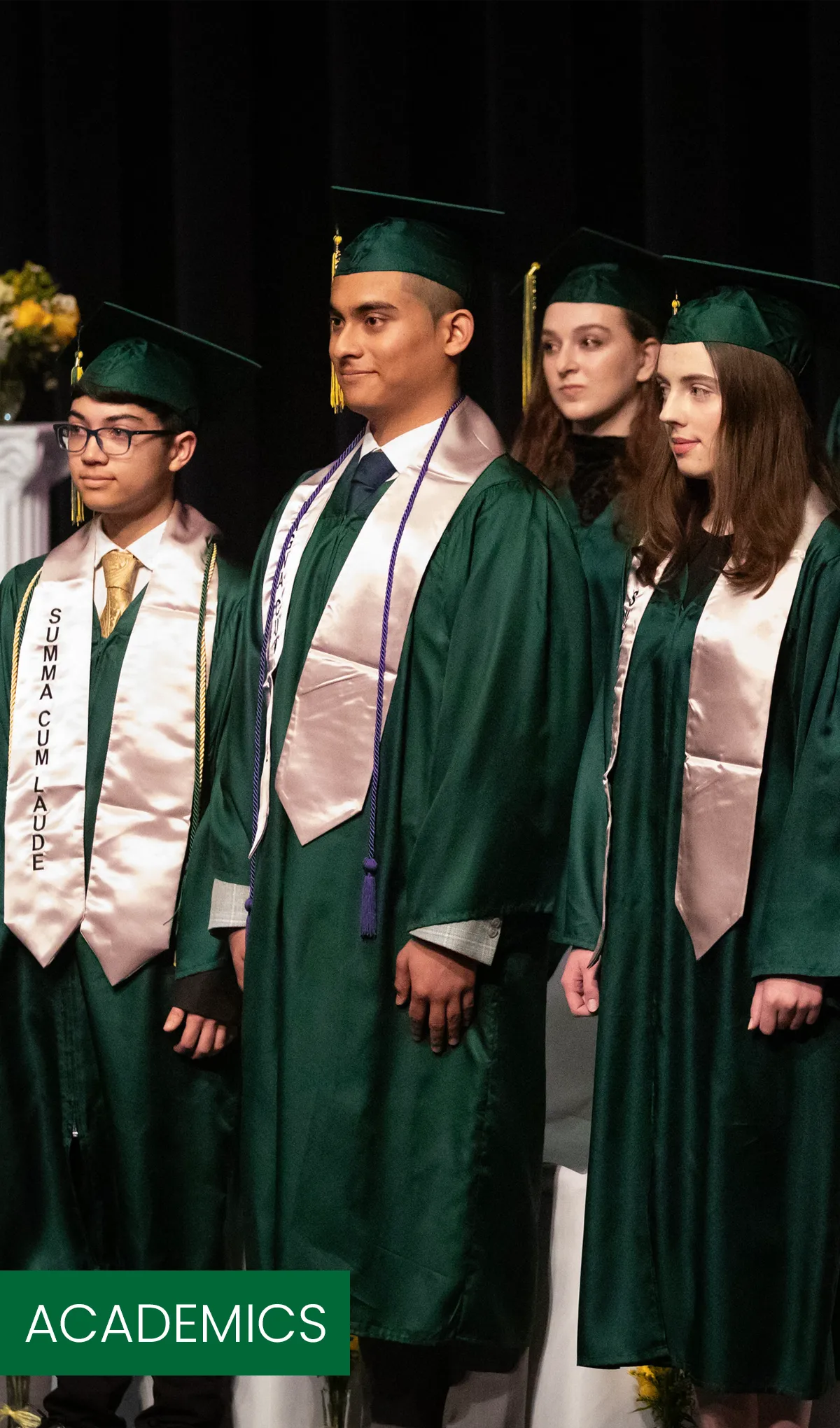
Catholic University of America credit lets students begin higher education before they graduate.
THE REDUCED TECHNOLOGY ADVANTAGE
A School Where Students Engage, Face to Face
Holy Rosary Academy prioritizes direct instruction, discussion, reading, writing, and meaningful interaction over excessive screen use. Students learn to focus, think critically, communicate clearly, and engage deeply with the world around them.
STUDENT LIFE AT HOLY ROSARY ACADEMY
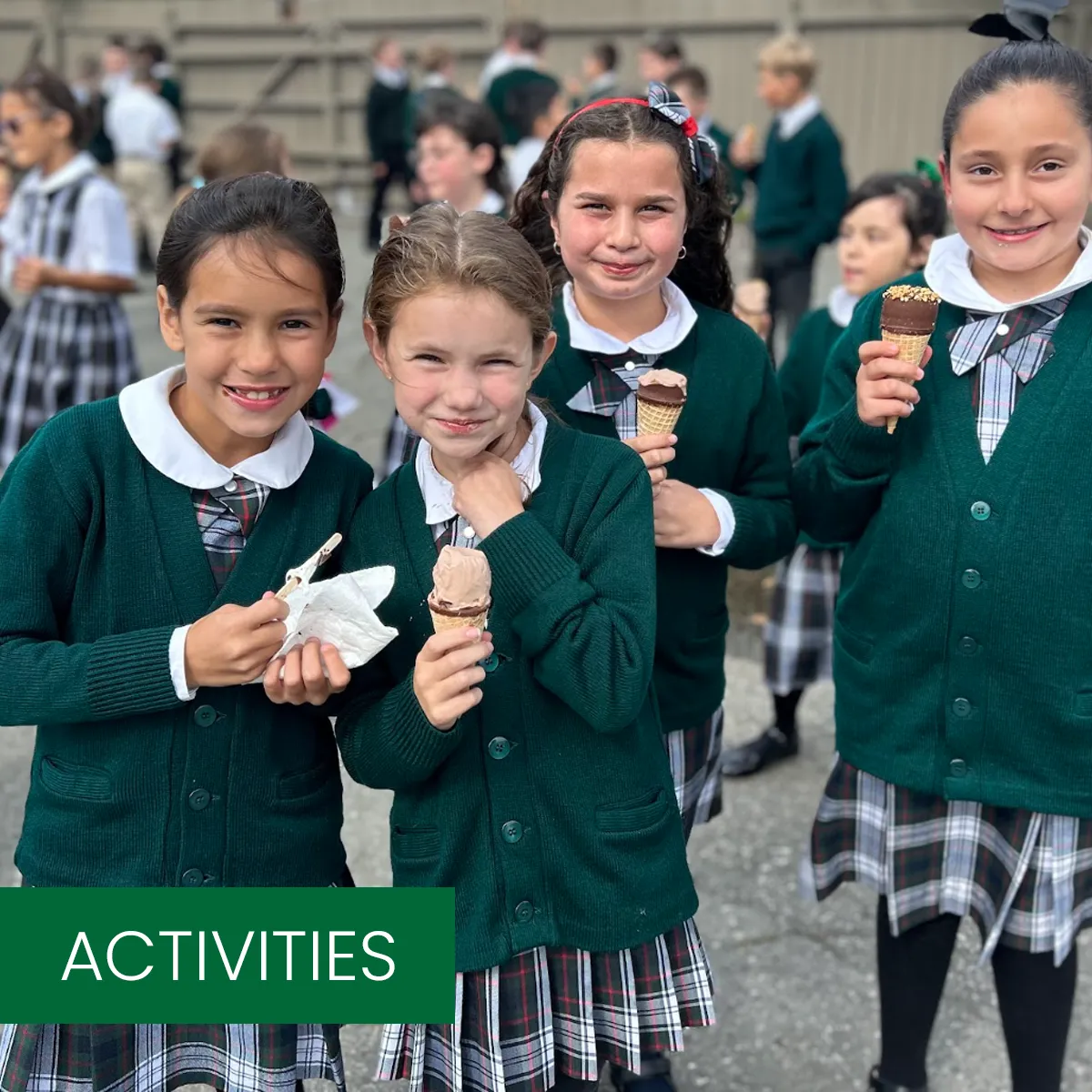
There’s Room Here to Flourish


Meet the Families We Serve
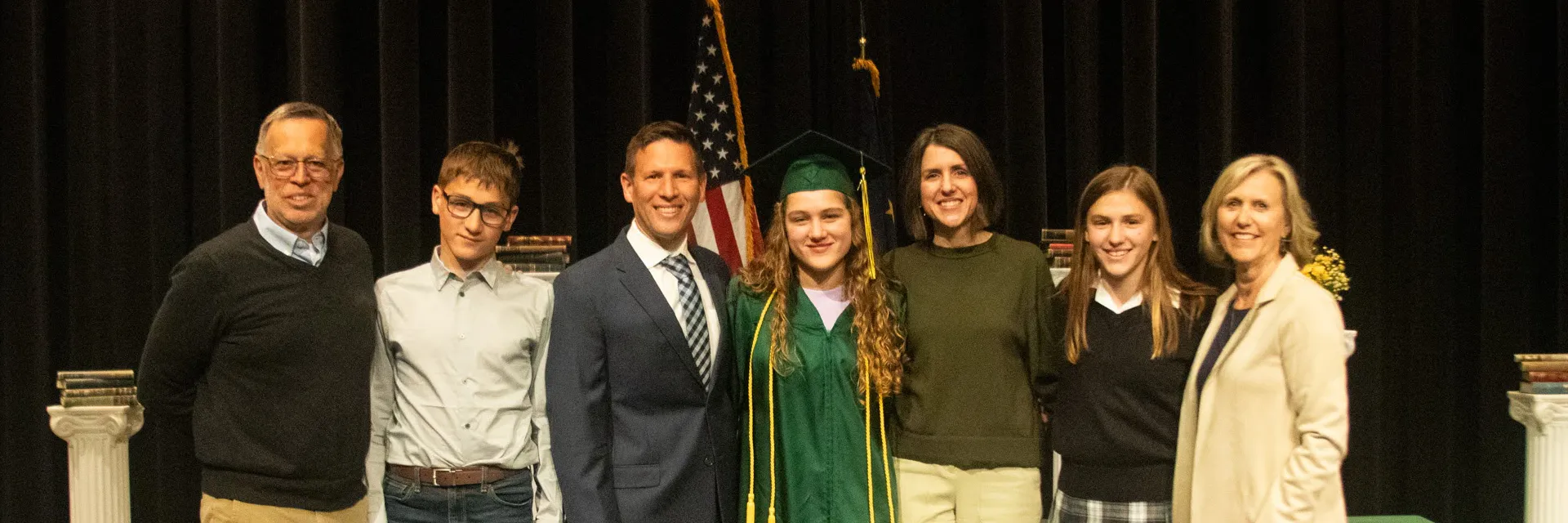
Purpose-Driven Young Families
Seeking strong foundations and reduced screen time.
Faith-Centered Catholic Families
Looking for an authentically faith-filled education
Values-Aligned Christian Families
Wanting strong character formation and academic rigor
Intentionally-Minded Families
Searching for a structured, purposeful alternative to conventional schooling.
Discover What Makes Holy Rosary Academy Different
Visit campus, meet our faculty, and experience firsthand what makes Holy Rosary Academy a place where students flourish.